Chris Scullion is a Scottish video games journalist who's been covering video games professionally for 16 years. For the first six years of his career he worked at the Official Nintendo Magazine in the UK, then became the Games Editor of CVG before its untimely end. After setting up his own site, Tired Old Hack, Chris then joined Video Games Chronicle (VGC) where he is currently Features Editor. He has a passion for retro games and cataloguing their history, hence his ongoing series of console encyclopedia books (search his name on Amazon).
(See bottom of the article for an update on the situation)
Jake McPake is dead.
Or rather, his illustrious career is. Right before he was ready to cement his name in NBA basketball history.
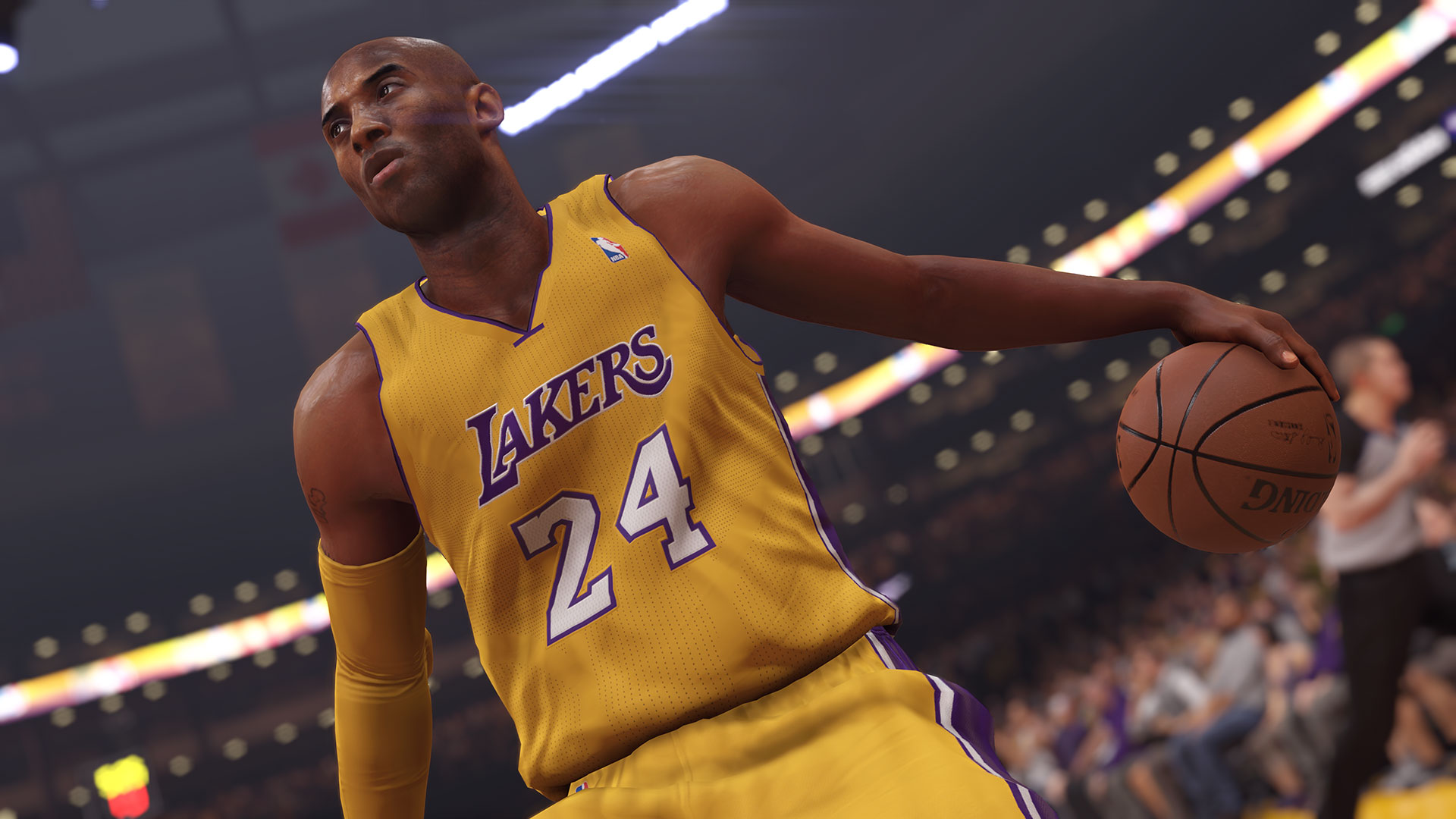
It looks absolutely incredible too
Allow me to explain. First, some background info: I absolutely adore the NBA 2K series. That isn’t bluff and bluster either, you only have to check back to literally the last article I posted, where I wrote:
“The best presentation you’ll see in a sports game these days is 2K Sports’ NBA 2K15. This isn’t a new phenomenon, though. The NBA 2K series has been consistently fantastic ever since… well, the year 2K.”
See? I bloody love me some NBA 2K. Even though 2K Sports has been slowly introducing some new features that I’ve been wary of, for now I’ve given it the benefit of the doubt.
This is the third in my ’30 Best’ series of articles in which I discuss my favourite games ever on a system-by-system basis for the first time. In case you missed them, I’ve already covered the 30 best DS games and 30 best GameCube games.
As before, because this is my own personal list and not a collaborative effort for a magazine or website, there will be some glaring omissions of games I simply didn’t play or didn’t like. So yes, I know Legacy Of Kain isn’t on there: stop riding me, dawg.
If one of your favourites isn’t on the list, feel free to give it a shoutout in the comments below (politely though, mind) and tell everyone what it meant to you.
It wasn’t always just Sony, Microsoft and Nintendo competing in the video game hardware race, you know. I mean, obviously you know, I’m just saying that for effect.
Back in the day Sega was a major competitor too, with the Master System and Mega Drive / Genesis shifting in hefty numbers worldwide.
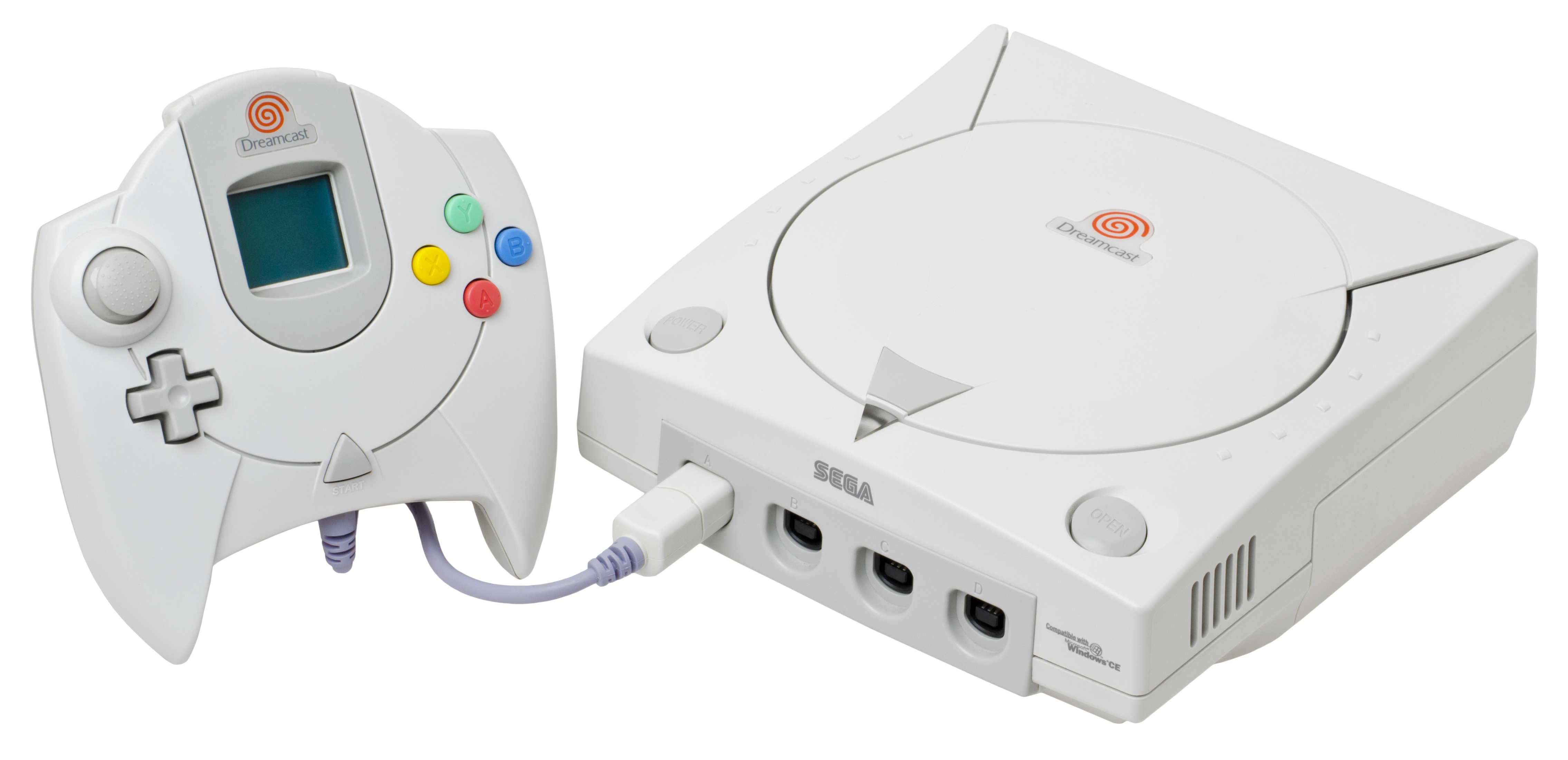
After its fourth standalone console – the overpriced Saturn – crumbled against the Nintendo 64 and newcomer Sony’s game-changing PlayStation, Sega’s next system would either make or break the company’s future.
This is the second in my series of SEO-baiting articles revealing my favourite games of all time.
In time, as every system is covered, I’ll finally have listed the 700(!) or so games that had a lasting impact on my life.
As before, because this is a personal list and not a group-created list for a magazine or site, there will be some omissions of games I either haven’t played or just personally didn’t like (sorry, Harvest Moon fans).
If one of your favourites isn’t on the list, feel free to give it a shoutout in the comments below and let the world know why it’s important to you.
A while back Nintendo released a new console. Despite the hype surrounding it, it never ended up selling in as enormous numbers as Nintendo had hoped.
As a result, the Japanese giant found itself third in a three-horse race, with Sony leading and Microsoft holding its own in second.
Yet despite these disappointing sales figures, everyone who owned Nintendo’s console was in love with it, with some claiming it was the best system of the generation. Sound familiar?
I was one of those Wii U GameCube owners, so to celebrate the diversity of this grossly underrated console’s library, here’s my list of the 30 best GameCube games ever. Continue reading “The 30 best GameCube games”→
Today Nintendo president and CEO Satoru Iwata revealed during a presentation that the next ‘dedicated game platform’ from Nintendo was in development.
Naturally, the main response to this should be “no shit”.
The official Nintendo NX logo. Um, probably
Video game hardware doesn’t just appear out of thin air, it takes an extremely long time to develop and perfect. PS4 lead architect Mark Cerny once confirmed that his console, released in November 2013, was in development as early as 2008.
So yes, of course Nintendo’s working on new hardware. We all knew that. What we didn’t know was its (code)name and when it’s coming out.
Today’s announcement at least answers part of that. The new system has been codenamed the Nintendo NX and is due to be properly revealed in 2016, which – given Nintendo’s usual routine – means we’ll probably see it on shelves in 2017.
What we still don’t know is whether the NX is a handheld or a home console… or even the much-rumoured hybrid system that acts as both.
In fact, here’s the full extent of what was actually said about the NX:
Not a lot to go on, I’m sure you’ll agree. Still, that hasn’t stopped the gaming press jumping on it with some deciding, among other things, that it’s a new home console designed to replace the struggling Wii U (i.e. the console everyone who has one loves and everyone who doesn’t thinks is shit).
I’m not about to get into speculation, because that’s just daft and frankly unprofessional, but what I will do is share a list of things I hope the NX implements.
This is the first in a series of shameful SEO-milking articles that should hopefully still at least be helpful to you.
These articles are also important to me in a personal sense because they mark the first time I’ve ever been able to write my own definitive ‘top games’ lists, rather than contributing to collaborative lists on ONM, CVG and the like.
The eventual result will be a number of platform-specific articles that, when combined, will list my personal favourite games ever, something I’ve never been able to share in such detail.
Because of this, there will be blatant omissions and odd decisions. But I’m not going to add a game I’ve never played just because it’s widely considered a classic. These are my lists, paying homage to the games that I personally had a great time with.
The Nintendo DS turned 10 years old in the UK yesterday. On 11 March 2005 Nintendo’s chunky flip-case handheld arrived in Britain to a relatively muted response.
Many gamers, feeling Nintendo was losing steam with GameCube sales slowing to a crawl, were more focused on Sony’s upcoming handheld, the PSP.
The best handheld ever? That’s a debate for another time
Offering significantly better graphics and games that could pass as slightly low-res PS2 titles, the PSP was far more appealing to gamers than the DS’s N64-era visuals and its touch screen, which appeared to be no more than a gimmick.
And yet, a decade later, nobody can deny the DS’s eventual impact on the gaming world. With over 154 million units sold worldwide, it’s the best-selling handheld of all time and was around a million shy of overtaking the PS2 as the best-selling video game system ever.
The first game I ever reviewed professionally as an employee of Future Publishing was a DS game. Granted, it was the abysmal Dragon Booster, but the DS will always hold a place in my heart for that reason regardless.
So, since it celebrated its 10th birthday in the UK yesterday, and since it was where my career began, it’s only fitting that my first ‘best games’ article should celebrate the best Nintendo DS games I’ve ever played.
In the six years I spent at Official Nintendo Magazine I reviewed hundreds of DS games, arguably more than any multi-format journalist (since their publications wouldn’t have touched half the shite we covered). So trust me when I say these 30 must have done something special to get in here. Continue reading “The 30 best DS games”→
To some games journalists, ‘list’ is a dirty word.
Much like some people feel puns are the worst things ever created by the human race (though I personally think they’re punderful), there are those who believe list features should be taken round the back and shot in the heart.
Fuck off with your clickbait, mate
I can understand why some would feel this way. There was a time, back in the late ’80s and early ’90s, when a list feature in a games magazine felt like a special event, a lovely break from the usual ‘news, letters, previews, reviews, tips’ structure most mags followed.
These days, however, they’re considered too ‘easy’, with the likes of Buzzfeed milking them to saturation point and turning a once-loved article style into something loathed by many writers.
Not me, though. And to explain why, I’ve put together this list of eight things I want to say about list features.
You see what I’ve done there? I’ve made a list feature about list features. I’m so clever. Stephen Hawking actually has a restraining order out on me, in case I come within 500 yards of him and make him look like a big bloody idiot by comparison. Continue reading “8 things I want to say about list features”→
Those of you who were eagerly anticipating the second part of my article on the wonderful world of game reviews probably lost some of that eagerness a while back, seeing as the first part was posted a month ago now.
The reason is a simple one: I was offered a load of freelance work I wasn’t expecting, and as such paying the bills had to take priority. Apologies, then, for the delay.
Either way, back to business. Since part one was posted so long ago, it may be worth checking it out again to give yourself a wee refresher. That said, let’s proceed.
While part one focused more on the (often frustrating) world of embargoes and the journalist / publisher / PR dialogue that goes on surrounding them, this time I’ll be looking at the actual process of writing a review.
So, for the last time for a while, allow me to once again summon my nameless fake interviewer for some mock Q&A goodness.
Aaaah, it’s good to be alive again. Let’s cut to the chase then, Chris: how do I write a review of a video game?
Sorry, but the short answer is there’s no specific way of doing it. If you’re reading this and have started dabbling in writing your own game reviews and are looking for pointers on how to structure them or what to write about, I’m afraid the answer is “you figure out”.
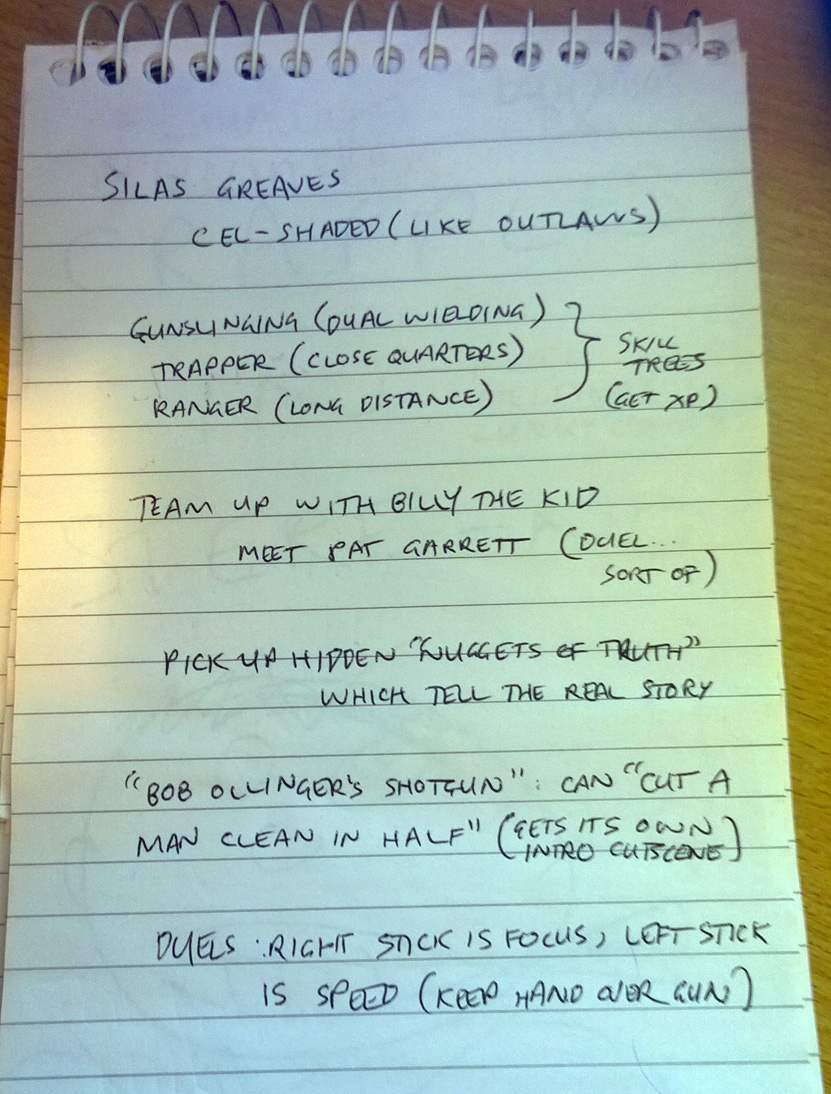
Here’s my note-taking process in action. This is the first page of notes I took while playing Call Of Juarez: Gunslinger, which I ended up not reviewing anyway
There are so many different ways to lay out a review, from the tone to the style of language used, to the aspects of the game you choose to focus on, that I’m simply not arrogant enough to say “here’s how I do it, therefore here’s how you should do it”. You have to develop your own style and experiment with it until it becomes something people enjoy reading.
What I can do is tell you my own review process so you can see how I do it. I’ll stress again though, this isn’t me telling you how to review games.
My own personal process depends entirely on the type of game I’m reviewing. If the game has a linear path and/or a storyline (i.e. a third-person action-adventure game, a platformer or an RPG), I’ll usually just play through it first: always on the default difficulty setting, because that’s what most people will play it on.
While I’m playing, should something strike me as particularly notable, I’ll take a note of it in my notebook. Sometimes these notes are as basic as plot points or character names (so I don’t forget them later), sometimes they’ll be specific thoughts that come into my head (like “these save points are too far apart” or “fuck this frame rate”. Continue reading “The corrupt* world of video games reviews – Part 2”→
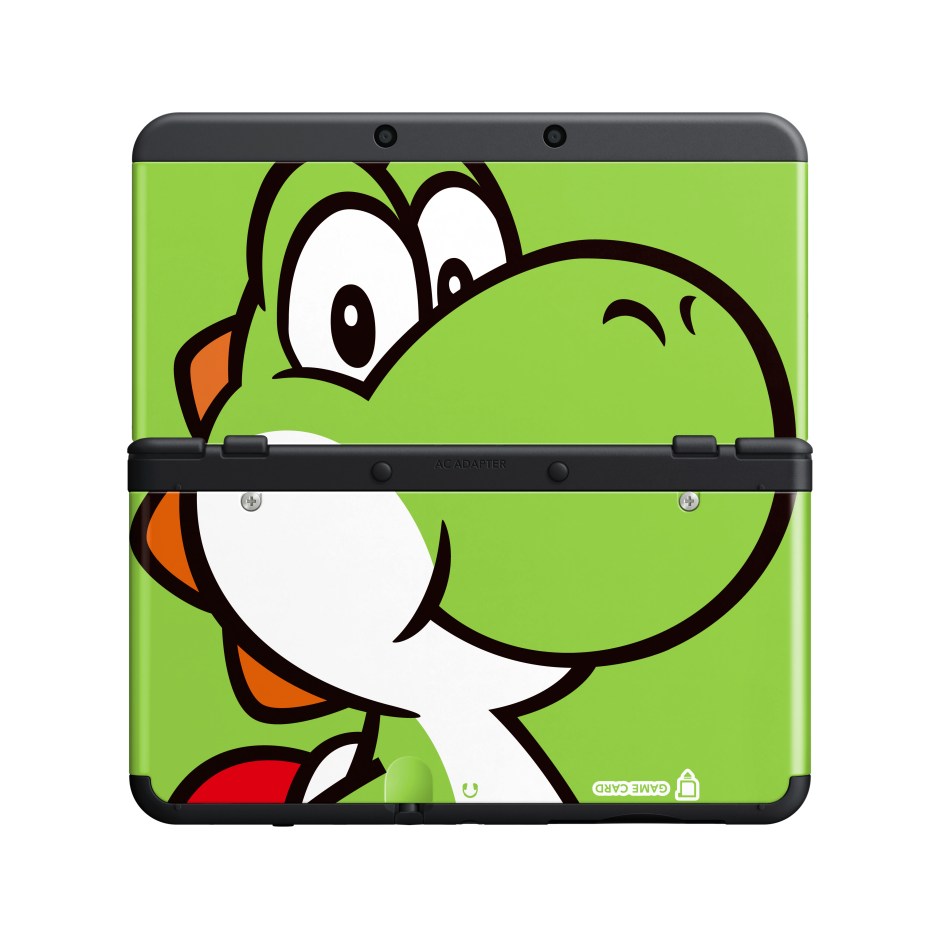
I was perfectly happy with my 3DS XL, thank you very much, and I wasn’t too fussed that this new model ran a lot faster and let me load Miiverse during Smash Bros and had NFC support and customisable faceplates and OH CHRIST I HAD TO GET ONE.
In fairness, even though I’m the biggest Nintendo nerd you can imagine, I left it surprisingly late to get hyped for new hardware this time. I only decided I had to have one three days before it came out, which for me is a new record.
Still, I did eventually resist and my shiny new handheld arrived at my flat on 12 February, one day before release. Top tip: the official Nintendo UK online store is fantastic, and with a bundle offering the New 3DS, a faceplate of my choice, a charger and a Mario 3DS holder statue for £159.99, was the cheapest option I could find too.
Hooray and such!
Today is 13 February, the official launch day of the New 3DS, so I’ve decided to put together this needlessly long article giving my in-depth thoughts on every aspect and tiny detail of it. If you’re still in two minds about whether to buy one, hopefully by the end of this you’ll have made your mind up one way or the other.
*which isn’t actually as corrupt as some people claim
Many people, myself included, would say game reviews are the most important part of being a games journalist.
We can write news articles, previews, blog pieces and the like about a game until we’re blue in the fingers, but all this coverage is mere hype building up to the ultimate question: is it any good?
Because of their importance, it’s also no surprise that reviews are the one aspect of games journalism that gets the most criticism and accusations thrown at it. Some of this is justified, much of it isn’t.
Not all my reviews were this memorable, sadly
In my nine years at Future Publishing I wrote over 500 reviews: mostly for Nintendo games but also the occasional Xbox or PlayStation title. And I still regularly get bold souls telling me my opinion is ‘wrong’, as if I have anything to gain by telling people that shit game I played was brilliant.
Here, then, is the first part of my definitive guide to the world of game reviews: how they work, the daft ‘objective review’ myth, the shitshow that is the embargo system and that most dreaded of numbers, the score.
This initial part deals with embargoes and the power battle that sometimes goes on between reviewers, publishers and PRs.
As in my introductory article, I’ll be adopting the ‘fake Q&A’ technique again for this. After all, there are plenty of lovely folks out there who think we journalists are as corrupt as Magneto’s floppy disk collection, so it may be best to address this slightly controversial topic using some of the genuine questions I’ve been asked over the years.
If I had a penny for every time I’ve been asked that question, I’d have around £1.13. What can I say, I’m a realist.
It’s completely understandable. Playing video games for a living? Who wouldn’t want a job like that? Of course, the real thing isn’t quite as straightforward and stress-free as that but let’s not bullshit: in the grand scheme of things, tight deadlines and low wages aside, it’s still great fun.
A games journalist, yesterday
The short answer to this question is an annoying one: there is no answer. Pretty much everyone working on a games publication took a different route to get there, and no single method is better than the others in my opinion.
Therefore, I can only really tell you how I did it, and hope it gives you an idea of how much of it was down to ability and how much was down to sheer luck. Afterwards, I’ll give some advice on how you can give yourself the best possible chance to get your foot in the door.
Before I do though, here’s the most important tip: if you just want to do this so you can get free games, you might as well not bother now. The point of this job is to use your knowledge and expertise to advise readers on the best games they should be spending their hard-earned cash on, not to build your own Xbox One library on the cheap.
If you’re only in it for the freebies, get a different job that pays better (trust me, there are plenty) and use that extra money you make to buy all the games you like.






 Tired Old Hack